The Impact of an App Reputation Management Platform on Organic Download Growth
In 2026, app ratings and reviews are the modern equivalent of word-of-mouth marketing. User reviews directly influence app store rankings, download decisions, and long-term user retention. An effective App Reputation Management Platform doesn't just monitor reviews—it systematically drives downloads, improves app visibility, and builds user trust that translates to sustainable growth.
Many app developers treat reputation management as a passive function: collect reviews, respond occasionally, hope for good ratings. The most successful apps take a proactive, data-driven approach through specialized App Store Optimization Services that integrate reputation management as a core ASO strategy.
How App Ratings Impact Downloads and Rankings
User reviews are one of the most significant factors in app store algorithms. Both Apple App Store and Google Play prioritize apps with high ratings and positive review sentiment:
- Ranking boost: Apps with 4+ star ratings rank higher for relevant keywords than lower-rated competitors. A single star improvement can dramatically shift visibility.
- Conversion impact: User reviews directly affect download decisions. Potential users read reviews before downloading—negative reviews create friction.
- Algorithm preference: App store algorithms track review velocity, sentiment trends, and response rates. Active reputation management signals engagement and quality.
- Trust signals: A 4+ star average (with substantial review volume) builds confidence among app store browsers, significantly improving install rates.
Why Manual Review Management Fails
Without a dedicated App Reputation Management Platform, apps struggle to scale review management:
- Response delays: Manual tracking of reviews across platforms leads to slow response times. User frustration grows when feedback isn't addressed quickly.
- Missed insights: Without systematic analysis, teams miss emerging issues, feature requests, and sentiment trends that could improve the app.
- Inconsistent messaging: Different team members provide inconsistent responses, damaging brand voice and user trust.
- Limited visibility: Manual processes don't surface patterns—why are users leaving 3-star reviews? What issues drive negative feedback?
- Scale problems: As an app grows to millions of users, manual review management becomes impossible. Hundreds of new reviews arrive daily.
The Best App Reputation Management Platforms
Leading App Reputation Management Platforms deliver comprehensive solutions that drive both rankings and user satisfaction:
1. Aggregated Review Monitoring: Track reviews across Apple App Store and Google Play in a unified dashboard. Never miss a review. Understand review distribution, ratings trends, and emerging sentiment shifts in real-time.
2. Sentiment Analysis and Intelligence: AI-powered analysis identifies core issues driving negative reviews. Instead of reading hundreds of individual comments, teams understand patterns—which features cause frustration? What onboarding improvements would help? This intelligence directly informs product roadmaps.
3. Review Response Management: Respond professionally to reviews directly from the platform. Standardized response templates ensure consistent messaging while preserving personalization for user-specific issues. Track response effectiveness and sentiment improvement.
4. Review Generation Workflows: Systematically encourage satisfied users to leave reviews while filtering out dissatisfied users before they reach the app stores. This increases positive review volume without manipulating ratings.
5. Competitive Benchmarking: Compare your app's ratings trends against competitors. See how your 4.2-star average stacks against competitors' ratings in your category. Understand competitive pressure and identify opportunities.
6. Performance Integration: Connect reputation metrics to business outcomes. Track how rating improvements translate to ranking changes, download velocity, and conversion rate improvements.
How App Reputation Connects to Full-Cycle ASO
The most effective approach integrates reputation management as part of a comprehensive ASO strategy rather than treating it as a standalone function:
Keyword Research Integration: Reputation platforms analyze review language to identify keywords users naturally employ when discussing your app. These insights fold directly into keyword research strategy.
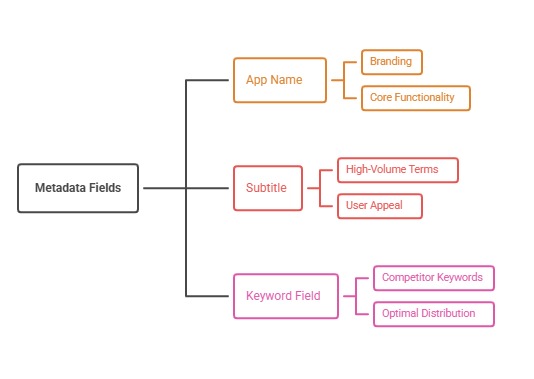
Metadata Alignment: If reviews consistently mention an app feature that differs from metadata promises, the disconnect gets fixed. Metadata should set expectations reviews can validate.
Conversion Optimization: Negative reviews often highlight real friction points in user experience. These insights identify which screenshots, descriptions, or videos need updating to prevent dissatisfied installs.
Continuous Monitoring: Your reputation management platform becomes the ongoing monitoring component of full-cycle ASO, tracking how all optimization efforts affect user satisfaction and ratings.
Impact on Organic Download Growth
The numbers tell the story of an effective App Reputation Management Platform:
- Ranking improvement: A 1-star rating increase can improve keyword rankings by 20-40%, depending on competitive landscape and review volume.
- Download acceleration: With improved rankings and visible positive reviews, organic downloads typically improve 50-150% within 3-6 months.
- Conversion rate lift: Apps with 4+ star ratings convert 35-50% higher than lower-rated competitors. Potential users choose the highest-rated option.
- Retention correlation: Higher-rated apps have better retention because they set accurate expectations through reviews. Fewer dissatisfied installs means fewer quick uninstalls.
- Sustainable growth: Unlike paid advertising (which stops when spend stops), organic growth from reputation management compounds. Better ratings drive more organic installs, which create more potential reviewers.
Review Sentiment and App Discovery
Beyond star ratings, review sentiment significantly impacts discovery. App store algorithms increasingly analyze review language and sentiment:
- Positive sentiment keywords: Reviews mentioning "fast," "intuitive," "reliable," "amazing" boost algorithm signals. These positive indicators influence ranking decisions.
- Feature recognition: Reviews that mention specific app features help the algorithm understand what the app does, improving relevance for feature-related keyword searches.
- Problem resolution: When developers respond to negative reviews and users later update their reviews positively, this demonstrates quality improvement signals to the algorithm.
- Community engagement: High response rates and sentiment improvement over time signal an engaged, responsive development team—quality indicators algorithms value.
The Best ASO Agency USA Approach to Reputation Management
When working with a Best ASO Agency USA, reputation management should be integrated into your overall strategy:
Baseline Assessment: Analyze current ratings, review trends, competitive benchmarking, and sentiment patterns. Identify quick wins and understanding deeper issues.
Strategy Development: Create a roadmap connecting reputation improvement to ranking targets, download goals, and business objectives.
Implementation: Deploy review generation workflows, establish response protocols, set up intelligent monitoring for issue identification.
Continuous Optimization: Monitor rating trends, sentiment shifts, and competitive changes. Test different response approaches and refine review generation strategies.
Integration: Connect reputation insights to other ASO activities—metadata updates, visual design improvements, keyword strategy adjustments.
Avoiding Reputation Management Pitfalls
Not all reputation management approaches deliver ethical, sustainable results:
- Review manipulation: Fake reviews, paid review schemes, or aggressive fake review generation damage app trust and violate app store policies. Avoid entirely.
- Ignoring negative feedback: Negative reviews are insights, not threats. Ignoring them means problems persist. Respond thoughtfully and fix underlying issues.
- Generic responses: Copy-paste responses frustrate users further. Personalized, thoughtful responses transform negative experiences into positive brand moments.
- Metric obsession: Focus on star ratings improvement as the goal, not genuine user satisfaction. The platform tracks ratings success only if it correlates to better user experience.
- Isolated management: Reputation management disconnected from product development means reviewing issues never get fixed. Integration is essential.
Measuring Reputation Management Success
Track these metrics to understand your App Reputation Management Platform impact:
- Star rating trajectory: Is your average rating improving month-over-month? By how much?
- Review velocity: How many reviews are you receiving per day/week? Positive review volume indicates engaged users and/or successful review generation.
- Sentiment shift: Are reviews becoming more positive? Analyze keyword frequency and sentiment trends.
- Response rate: What percentage of reviews receive developer responses? Higher engagement signals quality.
- Ranking impact: Track keyword rankings for your target keywords. How does rating improvement correlate to ranking gains?
- Download correlation: Compare organic download volume before/after reputation improvements. Has discovery improved?
- Retention metrics: Do users acquired from improved rating visibility have better retention? They should.
App Store Optimization Expert in USA: Integrated Approach
An App Store Optimization Expert in USA understands that reputation management isn't a separate activity—it's integrated throughout comprehensive ASO:
- Keywords strategy informs review generation targeting and sentiment keywords to encourage
- Metadata effectiveness is validated through review mention analysis (do reviews mention promised features?)
- Visual design feedback comes from review analysis (do users mention confusing UI?)
- A/B testing insights connect to conversion barriers identified in negative reviews
- Competitive positioning is informed by review sentiment comparison
The Future of App Reputation in ASO
In 2026 and beyond, reputation management becomes even more critical to app success:
- Algorithm evolution: App store algorithms increasingly weight review sentiment. Tomorrow's rankings depend heavily on today's reputation management investment.
- User expectations: Users expect apps to demonstrate quality through positive reviews. Reputation becomes table stakes.
- Competition intensity: As app markets mature, small differentiators become decisive. A 4.8-star app wins over a 3.9-star competitor.
- Data-driven decisions: Review intelligence becomes product roadmap guidance. successful apps use reviews to drive product development priority.
Conclusion: App Reputation as Core ASO Strategy
An effective App Reputation Management Platform is not an optional nice-to-have—it's essential infrastructure for app market success. By systematically improving ratings, understanding user feedback, and responding professionally, apps achieve ranking improvements, download growth, and user retention that directly impact revenue.
The most successful apps in 2026 treat reputation management as integrated into comprehensive App Store Optimization Services, not as an isolated function. When combined with strategic keyword research, metadata optimization, visual design excellence, and continuous monitoring, reputation management accelerates every other ASO effort.
Ready to transform your app's reputation into a competitive advantage? Contact our App Store Optimization experts to discuss how we integrate reputation management into your overall ASO strategy.